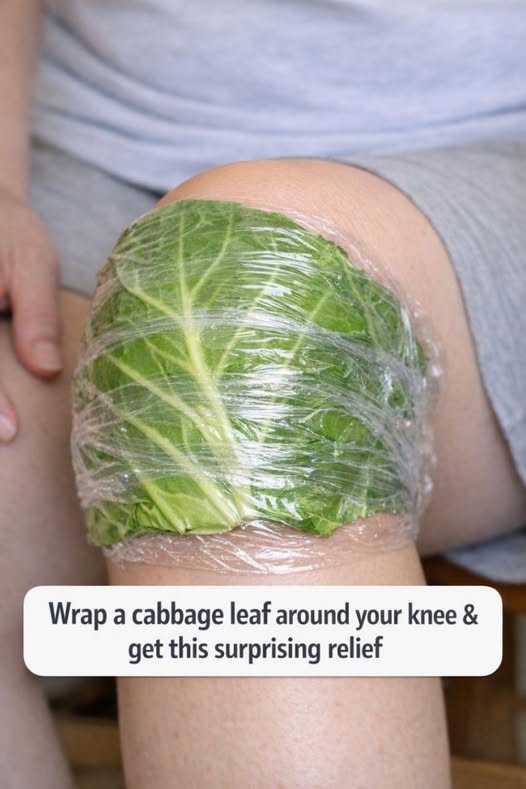
3. How Cabbage Leaf Wraps May Help With Inflammation and Swelling
The anti-inflammatory compounds in cabbage leaves are believed to contribute to reduced knee pain and swelling. When applied to the skin, these compounds may help draw out excess fluid and decrease tissue inflammation.
Although scientific studies specifically focused on cabbage leaf wraps are limited, research on topical plant-based anti-inflammatory treatments suggests that certain compounds can penetrate the skin and produce localized effects.
4. Targeting Knee Pain: Arthritis, Injury, and Overuse
Cabbage leaf wraps are commonly used for various knee-related conditions, including arthritis, injury-related inflammation, and overuse pain. People with arthritis often report reduced stiffness and improved mobility after regular use.
For individuals recovering from sprains or strains, cabbage leaves offer a gentle and natural way to manage swelling. Athletes and those prone to overuse injuries also appreciate the simplicity and accessibility of this remedy as part of their recovery routine.
5. Step-by-Step Guide: How to Make and Apply a Cabbage Knee Wrap
Making a cabbage leaf wrap is simple:
Choose fresh, preferably organic cabbage.
Remove several outer leaves and wash them thoroughly.
Flatten the leaves using a rolling pin or lightly bruise them with the back of a knife to release their juices.
Wrap the leaf around your knee, ensuring it covers the painful area.
Secure it with a bandage or cloth.
Leave it on for 30 to 60 minutes.
For best results, repeat the process two to three times per day as needed.
6. How Long to Leave It On and How Often to Repeat
A cabbage leaf wrap should remain on the knee for approximately 30 to 60 minutes. This allows time for the plant compounds to interact with the skin and underlying tissues.
Applying the wrap two to three times daily may provide greater benefit, particularly during periods of increased pain or swelling. Consistency is important when using this remedy as part of a broader pain-management strategy.
7. Real Experiences: Success Stories and Considerations
Many people report noticeable reductions in pain and swelling after using cabbage leaf wraps. Arthritis sufferers, in particular, often describe decreased stiffness and improved joint flexibility.
However, results vary from person to person. While anecdotal evidence is encouraging, cabbage wraps should not replace professional medical advice or prescribed treatments. They are best considered as part of a holistic approach to knee care.
8. When a Cabbage Leaf Is Not Enough: Warning Signs
Cabbage wraps are not suitable for every situation. Seek medical attention if knee pain is accompanied by:
Severe swelling
Redness or warmth
Fever
Sudden, intense pain
These symptoms may indicate a more serious condition such as infection or deep vein thrombosis.
If there is no improvement after several days of use—or if symptoms worsen—consult a healthcare professional.
9. Comparing Cabbage Wraps to Ice Packs, Gels, and Medications
Cabbage leaf wraps provide a natural alternative to ice packs, topical gels, and pain medications. Unlike ice packs, which can cause discomfort due to cold exposure, cabbage leaves offer a soothing, room-temperature option.
While medicated gels and painkillers can be effective, they may carry risks or side effects with long-term use. Cabbage wraps generally do not present these concerns. However, for acute injuries or severe pain, conventional treatments may provide faster relief.
10. Safety Tips and Who Should Avoid This Remedy
Cabbage leaf wraps are generally safe, but allergic reactions are possible. Anyone allergic to cabbage or other cruciferous vegetables should avoid this method.
People with open wounds, skin infections, or sensitive skin in the application area should use caution. It is advisable to perform a small patch test before full application.
11. What Experts Say About This Viral Home Remedy
Natural health practitioners often acknowledge the potential anti-inflammatory benefits of cabbage leaves and their long-standing use in traditional medicine. However, medical professionals emphasize that cabbage wraps should complement—not replace—conventional treatments.
Experts recommend trying this remedy with realistic expectations and consulting a healthcare provider before incorporating it into a treatment plan, especially for chronic or severe conditions.