Sautéed Dishes:
Thaw the cubes and sauté the purslane with garlic and olive oil for a quick and nutritious side dish.
By following these tips, you can make the most out of purslane’s nutritional benefits and enjoy this versatile green in a variety of dishes. Whether fresh or frozen, purslane is a fantastic addition to your diet and wellness routineTo cultivate purslane in your garden, follow these steps:Select a Sunny Location: Choose a sunny spot in your garden with well-drained soil.
Prepare the Soil: Loosen the soil and remove any weeds or debris.
Planting: Sow purslane seeds directly into the soil or transplant seedlings from pots or trays. Space the plants about 6-12 inches apart.
Watering: Water the plants regularly, keeping the soil evenly moist but not waterlogged.
Maintenance: Mulch around the plants to retain moisture and suppress weeds. Harvest purslane leaves as needed, taking care not to disturb the roots.
With minimal effort, you can enjoy a bountiful harvest of nutritious purslane from your garden throughout the growing season.Purslane is a nutrient-rich plant with numerous health benefits and culinary uses.
Conclusion:
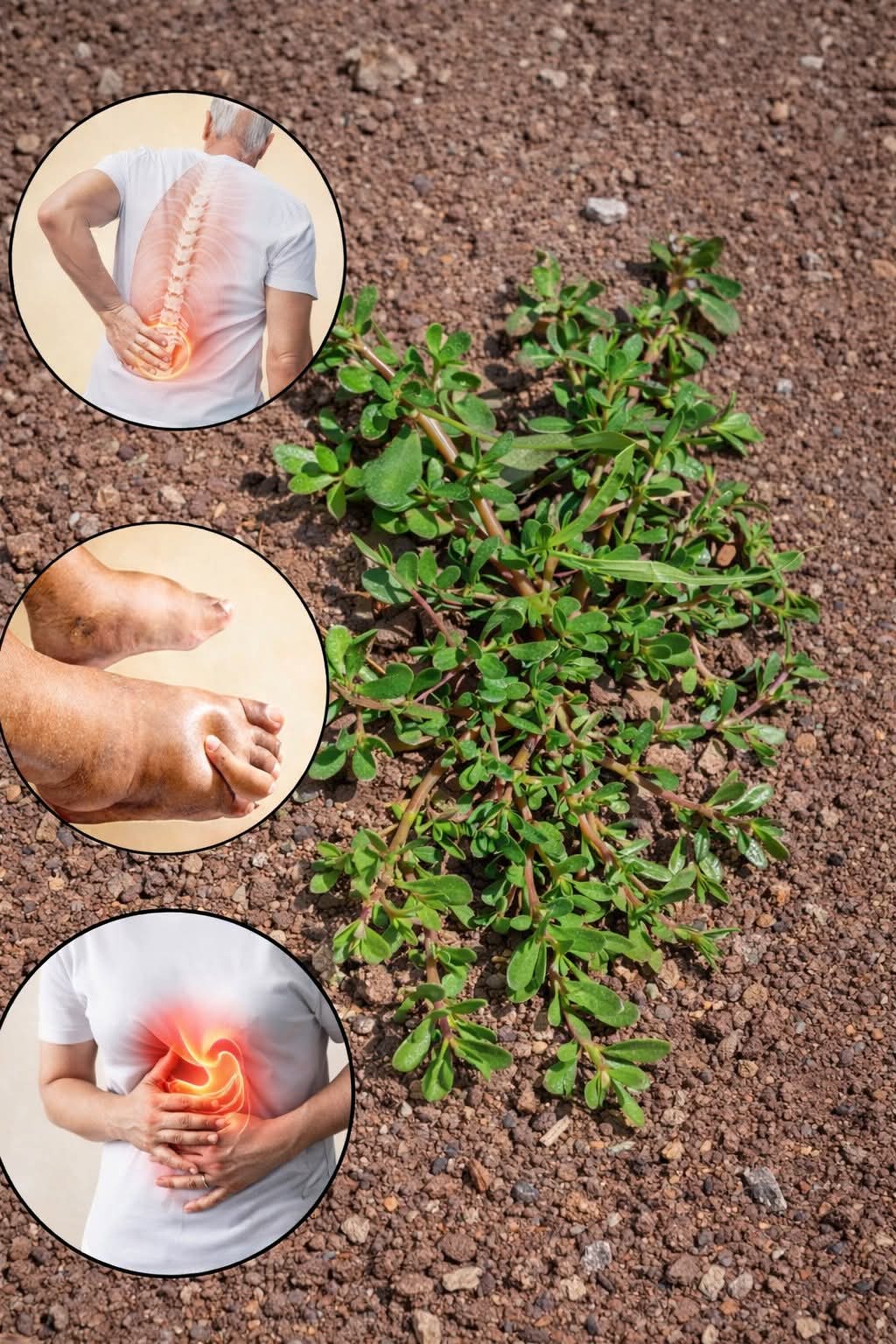
Purslane is a versatile and nutrient-rich plant with numerous health benefits. Whether enjoyed raw in salads, cooked in stir-fries, or blended into smoothies, purslane offers a delicious and nutritious addition to any diet. Incorporating this humble plant into your meals can help support overall health and well-being, making it a valuable addition to your culinary repertoire.