Natural Variation
Tips to Keep Your Salmon Looking (and Tasting) Its Best
To avoid yellowing in the future:
Seal it tightly. Use vacuum-sealed bags if possible. No vacuum sealer? Wrap the fillet tightly in plastic wrap, then place it in a freezer-safe zip-top bag, pressing out as much air as you can.
Label and date. The USDA recommends using frozen fish within 3 to 8 months for peak quality. Mark your packages so you know what’s oldest.
Practice “first in, first out.” If you stock up on salmon, rotate your stash—use older fillets before newer ones.
The Bottom Line
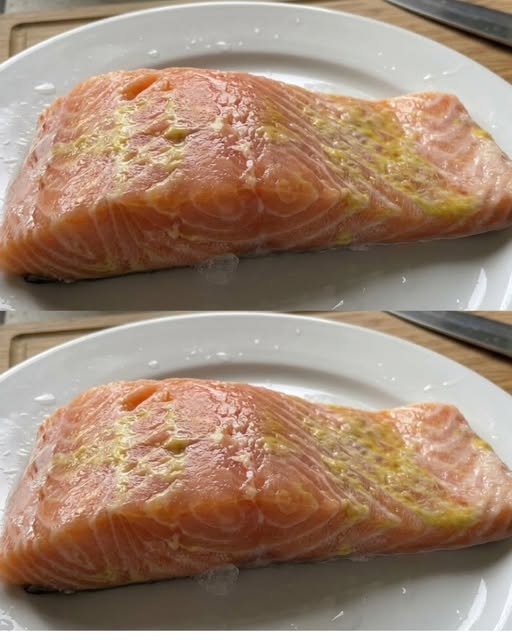
That yellow tint? More often than not, it’s harmless. My family devoured the grilled salmon without a clue—juicy, flavorful, and gone in minutes. So next time you spot a yellowish patch on your thawed fillet, don’t panic. Do a quick freshness check, trim if needed, and cook with confidence. Chances are, you’re still holding onto the same nutrient-rich, delicious salmon you always loved—just with a little extra character.
P.S. Ever wondered about the white stuff that oozes out of salmon when you cook it? You’re not alone. Here’s what it really is—and how to minimize it.
Believe it or not, some salmon naturally have a yellowish tint—especially in the belly area. Wild-caught salmon often get their color from their diet: tiny crustaceans, algae, and other marine life rich in natural pigments like carotenoids. Farm-raised salmon are typically more uniform in color due to controlled feed (often supplemented with astaxanthin to mimic that classic pink), but minor variations still occur. So in some cases, that yellow hue might just be part of your fish’s natural palette.
How to Tell If It’s Still Good
When in doubt, trust your senses—just like my grandma taught me:
Smell it: Fresh salmon should smell clean and mildly oceanic, like sea air. A strong, fishy, or sour odor is a warning sign.
Touch it: The flesh should feel firm and spring back when gently pressed. If it leaves an indentation or feels mushy, it’s best to discard it.
Inspect it: Look for excessive slime, dullness, or widespread discoloration beyond a small yellow patch.
In my case, the salmon passed all tests. I trimmed the discolored portion as a precaution, seasoned it with lemon and dill, and grilled it as planned.