Some research suggests a potential link between water intake and appetite regulation, particularly when water is consumed before meals. Drinking water ahead of eating can increase feelings of fullness, leading some people to eat slightly smaller portions, which may aid modest weight management efforts. However, this effect varies among individuals and is generally subtle; it is not a guaranteed method for reducing caloric intake. For certain people, especially those with sensitive digestion, drinking excessive water immediately before or during meals can lead to discomfort, bloating, or a slowed digestive process. While pre-meal hydration can be a useful tool as part of a broader approach to wellness, it should be balanced with practical considerations of comfort, individual tolerance, and overall fluid needs throughout the day.
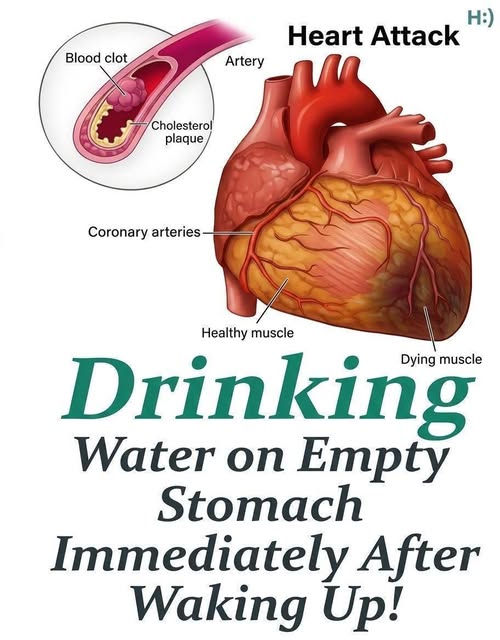
Popular routines such as Japanese Water Therapy advocate drinking multiple glasses of water immediately upon waking, sometimes in large quantities. While these practices may help people remember to hydrate consistently, the majority of the health claims tied to these rituals—including boosting metabolism or purifying the bloodstream—lack robust scientific support. In some cases, consuming excessive water too quickly can even pose risks, such as temporary electrolyte imbalances or discomfort from a sudden increase in stomach volume. Instead of focusing on rigid routines or specific times, the most evidence-based approach is to maintain steady, consistent hydration throughout the day, adjusting for personal factors such as physical activity, ambient temperature, age, and individual health status.