Traditional Eye Uses in Folk Medicine
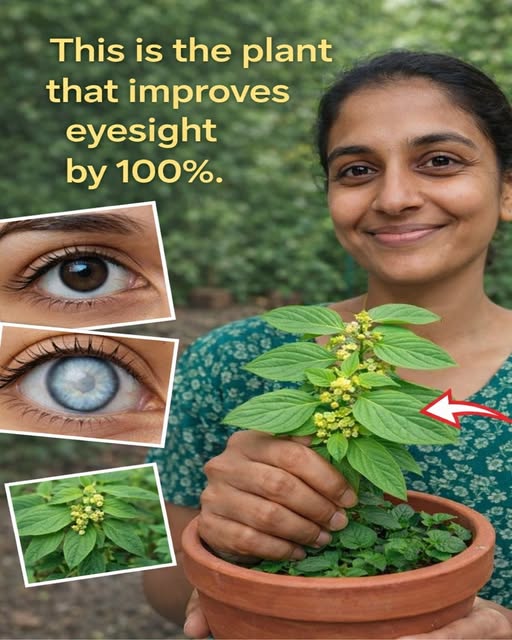
Across tropical areas, including parts of Asia, Africa, and Latin America, Euphorbia hirta appears in remedies for conjunctivitis, eye sores, or styes.
Stem sap applied sparingly to lower eyelids for sores or infections.
Leaf preparations used externally to calm irritation.
In some West African traditions, juice squeezed for eye troubles.
These uses often target local inflammation or minor infections, leveraging reported antibacterial properties. Reviews of ethnopharmacology note conjunctivitis mentions alongside respiratory benefits.
Picture a gentle compress from warmed leaves—traditional users describe soothing relief for tired or red eyes. Yet these remain anecdotal; no large human trials confirm vision enhancement.
Promising Lab Insights on Eye Protection
A rat study explored Euphorbia hirta extract against naphthalene-induced cataracts—a model for oxidative lens damage. The extract appeared to delay onset and maturation of opacity, suggesting antioxidant or protective potential.
Other reviews group it with plants showing anti-cataract activity in models, possibly by reducing peroxidative stress or opacity index. Antioxidants in the plant—flavonoids, tannins—might contribute by countering free radicals that affect lens clarity over time.
Imagine subtle cellular support helping maintain lens transparency. While animal results intrigue, human translation remains limited—no robust clinical proof exists for eyesight improvement.
But hold on—the soothing side offers more accessible potential.
Benefit 6: Potential Soothing for Eye Strain
Modern screen time often leads to dryness, redness, or headaches. Traditional compresses or infusions (never direct in eyes) might offer cooling comfort, per some folk reports.
Anti-inflammatory compounds could ease surface irritation indirectly. Users in wellness circles describe relief from fatigue-related discomfort.
Benefit 5: Antioxidant Support for Overall Eye Health
Oxidative stress contributes to age-related changes. The plant’s phytochemicals show antioxidant activity in lab tests.
This might indirectly nurture eye tissues by combating daily stressors like UV or blue light. Broader herbal reviews link similar compounds to lens protection.
Benefit 4: Anti-Inflammatory Hints
Inflammation plays roles in various eye concerns. Euphorbia hirta demonstrates anti-inflammatory effects in studies.
This could translate to calmer, less irritated eyes when used externally in safe forms.